Business Name: Insulation Kings
Address: 410 S Rampart Blvd Suit #390, Las Vegas, NV 89145
Phone: (702) 701-2120
Insulation Kings
Insulation Kings is a family-owned, Veteran owned, business in Las Vegas, Nevada, dedicated to providing top-notch insulation services for residential and commercial clients. With over 60+ years in business and over 100+ years of experience, we have a high commitment to quality, and we specialize in enhancing energy efficiency, comfort, and soundproofing in homes and businesses. Our experienced team ensures every project is completed to the highest standards, making us the trusted choice for insulation solutions in the Las Vegas area. Whether you're building new or upgrading existing insulation, Insulation Kings delivers results you can rely on!
410 S Rampart Blvd Suit #390, Las Vegas, NV 89145
Business Hours
Monday thru Sunday: Open 24 hours
Facebook: https://www.facebook.com/p/Insulation-Kings-61580034132472/
Walk into a drafty building in January and you feel it right now. Floorings that never ever quite warm up. A heater that never ever cycles off. Icicles where soffits should be breathing. Nine times out of 10, the attic is the perpetrator. After twenty years of strolling joists and crawling under low-slope roofs, I've learned that attic insulation is less about stacking fluff and more about detecting a system. Insulation companies that do this work well act like detectives initially and installers second. They check out the building, then prescribe what will actually alter your convenience and your bills.
This guide pulls from field experience, not marketing copy. Whether you are a house owner staring at a patchy layer of old fiberglass, or a centers supervisor trying to tame energy expenses in a 30,000-square-foot office, the principles stay the very same. Good results begin with a clear evaluation, mindful prep, and the best product in the best place.
Why a modest area drives significant energy results
Attics appear inconsequential, but they sit between the conditioned air you pay to heat or cool and the outside. Heat moves 3 methods: conduction, convection, and radiation. An attic can leak in all 3 modes if it is under-insulated, badly sealed, or vented improperly. You pay twice for that leak. First on your utility bills, then in convenience issues that reduce equipment life: damp summers requiring the AC to wring out moisture for hours, or frigid winters that make the heating system short-cycle and never please the thermostat.
Here is a simple fact: insulation without air sealing underperforms. That's why experienced insulation installers spend more time with sealant and foam than people expect. Every can light, bath fan, chimney chase, top plate, and wire penetration produces a chimney effect. Warm air rises, draws in cold air at the very first floor, and worries your a/c system. Fix the pathways, then add the blanket.
The opening conversation: what an extensive assessment looks like
When a reliable insulation contractor appears, their first tool is not a hose pipe or a batt knife. It is a flashlight, possibly a blower door, and questions. How does your house feel in July and January? Any spaces that lag? Ice damming? Musty smells after rain? They will find the access hatch, pop it, and observe. The very best notes I keep have to do with what was there before I touched anything: discoloration around bath fans, matted fiberglass with wind-wash near soffits, thermal bypasses at knee walls, and the telltale footprints of rodents.
A blower door test, when suitable, measures leakage. It depressurizes the building so leaks provide themselves as felt drafts and measurable air changes per hour. Paired with a thermal video camera, it turns the attic into an understandable map. I have actually traced ghostly cold streaks to an open chase directly above a mechanical closet, and warm squares to uninsulated attic hatches the size of a card table. These findings assist the scope, and they also set expectations. If the structure has mechanical ventilation problems or obstructed soffits, insulation alone won't fix everything.
Commercial assessments include another layer. Flat roofs may have tapered insulation systems, parapets that create thermal bridges, and roof devices curbs that leakage air. Codes and fire scores matter more, as do load calculations because added weight on a roof or in a suspended ceiling system must be verified.
Materials that matter, and where they make sense
Every house owner who googles attic insulation gets a barrage of products: fiberglass, cellulose, mineral wool, and spray foam. Each belongs. The "best" choice depends upon the structure's existing conditions, spending plan, fire and smoke issues, and whether the attic will be insulated at the flooring or brought into the conditioned area at the roofing system deck.
Fiberglass stays common due to the fact that it is inexpensive, commonly offered, and familiar. Loose-fill fiberglass uses decent protection, but it does not stop air. Batts can leave gaps around blockages if not fitted diligently. Wind-wash at eaves can deteriorate its performance. When we specify fiberglass, we combine it with diligent air sealing and baffles that avoid cold air from scouring the leading surface.
Cellulose is a workhorse for retrofits. It is thick, fills irregular cavities, and carries out better in stopping air motion than loose fiberglass. In a vented attic with good soffit-to-ridge airflow, blown cellulose over an air-sealed deck offers foreseeable outcomes. I have actually pulled a foot of cellulose aside many years after installation and still found crisp protection with no settling beyond the expected inch or two.
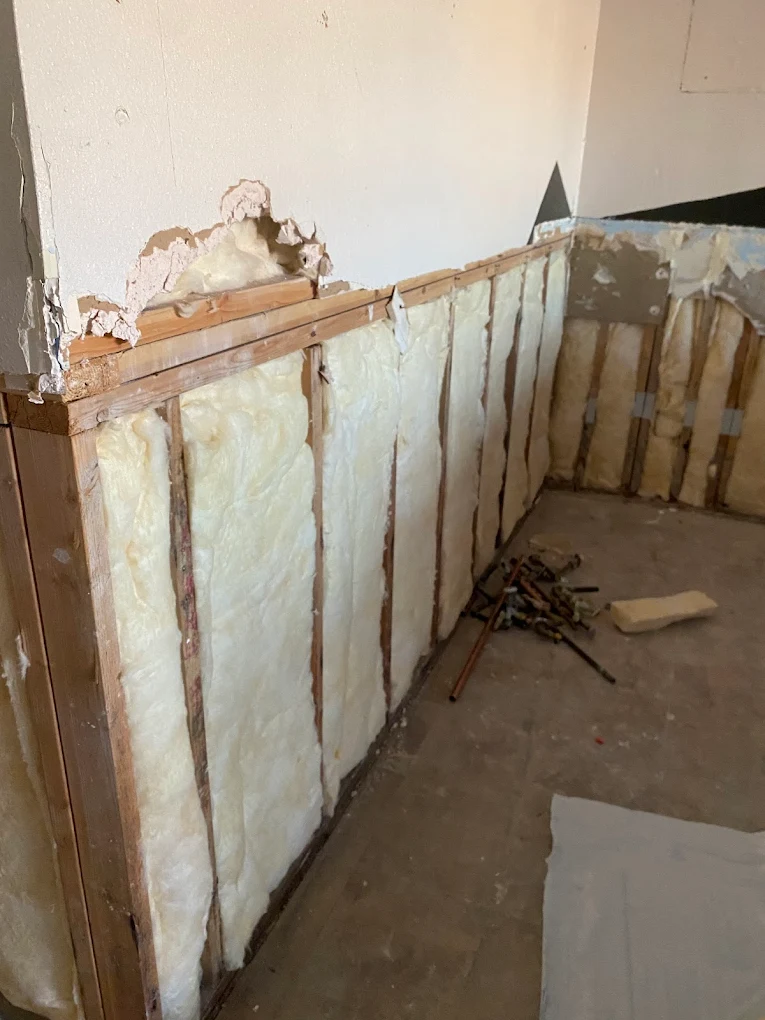
Mineral wool sees less usage in attics, but it shines near high-heat sources thanks to its fire resistance. If there are recessed lights that must remain non-IC rated, mineral wool can assist maintain clearances. It is dense and sound-attenuating, typically used on knee walls and around mechanical rooms simply below the attic plane.
Closed-cell spray foam changes the video game because it insulates and air-seals in one action. Applied to the roofing deck, it successfully turns the attic into semi-conditioned area. Ductwork up there now resides in friendlier temperature levels. The compromise is expense, vapor control factors to consider in cold environments, and the requirement for appropriate ventilation technique. It also needs a meticulous installer due to the fact that foam is irreversible. Miss a chase or bridge a gap where you must not, and you have actually made a hard-to-reverse decision.
On industrial roofings, you see polyiso boards as part of a tapered system to promote drain. Infrared scans on cool nights help identify saturated insulation that should be eliminated before adding brand-new layers. You never ever bury wet product under new roof. Wetness will telegraph through and shorten roof life.
Prep work sets the stage for performance
Bad preparation undermines good materials. The hour invested covering recessed lights where allowed, boxing others with code-compliant covers, and sealing every wire penetration with fire-rated foam often pays larger dividends than two extra inches of fluff. I ask customers to clear the attic gain access to location and, if possible, recognize any recognized electrical wiring issues. Old knob-and-tube wiring requires unique handling and typically restricts burying with insulation up until an electrician updates it.
Attic hatches are chronic transgressors. A haphazard piece of plywood with weatherstripping flattened by years of usage leaks like a window left broken. We construct insulated covers or set up gasketed, insulated covers that seal tight. For pull-down ladders, a rigid insulated camping tent with a zipper gain access to keeps the R-value continuous throughout that large opening.
Baffles, or ventilation chutes, keep soffit air moving above the insulation while avoiding wind-wash. They also prevent blown material from obstructing the soffits. In older homes with short or obstructed vents, we sometimes drill brand-new consumption holes and add proper venting before insulating. Without this, a winter attic becomes damp, and frost on nails turns to spring drips that imitate roofing system leaks.
Bath fans should vent outside, not into the attic. It appears apparent, yet I still discover flexible ducts pointed slightly at a gable. Warm moist air does what it constantly does, it condenses on cold surfaces and breeds mold. We route ducting to a proper roofing or wall cap, seal the connections, and insulate the duct to prevent condensation.
Rodent activity makes complex whatever. Droppings are a health hazard, and tunneling ruins R-value. Before brand-new insulation goes in, an insulation contractor need to collaborate exemption steps and tidy as required. I have gotten rid of entire beds of stained batts, air-sealed every entry point we can reasonably gain access to, and only then rebuilt the thermal layer.
The installation itself, from the attic floor to roof deck strategies
For most homes with vented attics, the cost-efficient approach is air seal and blow to depth. You will hear pros talk about R-38, R-49, or R-60, depending on area and code. Numbers aside, protection and continuity matter. We mark depth rulers throughout the attic so there is no uncertainty. We blow cellulose or fiberglass to consistent coverage that swims right up to the baffles without burying them. Around chimneys and flues, we keep required clearances and develop sheet-metal dams sealed with high-temperature silicone. Details like that protect the home and keep inspectors happy.
Knee wall attics and intricate rooflines require more attention. Insulating the flooring alone typically leaves the vertical knee wall and sloped ceiling under-insulated or leaky. We either construct an airtight, insulated knee wall assembly with stiff foam sheathing on the attic side, or we bring the entire area inside the envelope by insulating the roofing deck. The latter expenses more but solves duct losses and storage needs in one stroke. On the roofing deck, closed-cell foam is common, though hybrid systems that combine foam for air sealing and dense-pack or batts for included R-value can manage cost and vapor control.
In commercial buildings, suspended ceilings create a false complacency. Laying batts on top of ceiling tiles does little to stop air motion through grids and penetrations. We look for a constant air barrier at the deck or at a devoted airplane, not at a lightweight ceiling. When reroofing, it is the ideal time to increase above-deck insulation. Polyiso board thickness associates with R-value, and tapered insulation fixes ponding. Always examine structural load limitations and coordinate with roof teams so penetrations and curbs get correct insulated flashing.
Real-world examples that describe the trade-offs
A 1950s cape: The homeowner complained about a roasting 2nd flooring in summer. The attic had a patchwork of batts and exposed knee walls. We air sealed the floor, set up baffles, stiff foam on the knee wall attic side with taped seams, and dense-packed the sloped ceilings where available. We set the depth to R-49 with blown cellulose throughout the flat areas. Result, a 7 to 10 degree reduction in peak summer season bed room temperatures and a quieter home, with a heating system that cycled less in winter.
A cattle ranch with ice dams: The soffits were blocked by old insulation and a roofing overlay narrowed the ventilation path. We opened intake vents properly, added baffles, and sealed the leading plates and bath fan penetrations. After blowing to R-60 with cellulose and building an insulated attic hatch cover, the next winter season brought little, harmless icicles instead of heavy dams. The contractor who set up the gutters never got another frantic call.
A medical workplace: The building had roof units with ductwork stumbling upon a vented attic. Staff wore sweatshirts year-round. Rather than toss more batts on a leaking ceiling, we collaborated a weekend task to spray 4 inches of closed-cell foam at the roof deck, then included batt insulation to reach target R. The attic became semi-conditioned, duct losses dropped significantly, and the mechanical runtime charts informed the story. Energy usage fell by about 15 percent, and hot-cold problems went quiet.
The people behind the work: why the right insulation contractor matters
The distinction between a tidy, long lasting task and a disappointing one normally comes down to the group on website. Skilled insulation installers understand how to move safely, safeguard circuitry, keep insulation off non-IC components, and leave a site cleaner than they discovered it. They utilize obstructing and depth markers, and they keep pictures to record surprise details. Ask for those. If a contractor can not discuss how they will manage bath fans, recessed lights, attic gain access to, or ventilation, keep looking.
Bids that are considerably more affordable often avoid air sealing, leave out baffles, or under-deliver on depth. The quote might insulation contractor Insulation Kings read R-49, however you find R-30 at the far corners where nobody looked. I have actually vacuumed out entire attics that were improperly blown and started over, which costs the homeowner two times. Much better to employ thoroughly once.
Insurance and safety are not footnotes. Operating in an attic implies dust, heat, nails, and tight spaces. Installers should wear respirators and eye security, and they need to understand how to safeguard themselves from heat health problem in summertime. For spray foam, trained teams handle off-gassing and reentry times correctly. Commercial projects add fall defense and coordination with roofers or heating and cooling techs.
Attic ventilation, wetness, and the mold question
Insulation and ventilation require each other in a vented attic. The objective is to keep the home air sealed and the attic cold in winter. Soffits draw in outdoors air, which flows along baffles to a ridge vent or high gables. That air carries away moisture that inevitably slips up from the home. If soffits are obstructed or ridge vents are decorative, wetness develops. Frost forms on cold nails in winter and rains pull back during a thaw. The homeowner calls with a "roofing system leakage" that ends up being an indoor weather condition system.
In hot-humid environments, vented attics still make good sense when ducts are not present, but you need to keep damp outdoor air from mixing with cool, conditioned air leaking up. Air sealing ends up being non-negotiable. If ducts run in the attic, the case grows strong for an unvented method with foam at the deck so leakages and condensation risks are controlled closer to neutral conditions. This is where regional environment and building code assistance matter, and where a knowledgeable insulation company earns its keep.
Costs, refunds, and the math that matters
Pricing varies by region, product, and complexity. For a common single-family vented attic needing sealing and blown insulation, you may see a variety from a couple thousand dollars to the mid-four figures. Add knee walls, complicated chases after, or harmful clean-up, and the number rises. Spray foam at the roofing system deck can double or triple the expense, and on big industrial jobs, the scope ties into roofing and mechanical work, which moves the spending plan conversation entirely.
Utility rebates and tax credits help. Lots of regions use rewards for air sealing and attic insulation because it reliably decreases peak loads on the grid. Programs typically require a licensed energy audit with pre and post testing. The documentation can seem like a task, but a good contractor walks you through it or manages it outright. Savings are not just theoretical. If you cut heating and cooling loads by 15 to 25 percent, the payback often lands in the three to 7 year window for property tasks. For commercial buildings, operational stability and resident convenience frequently rank as high as raw payback.
Care, maintenance, and when to check back in
Once the job is done, the attic ought to end up being the quietest location in the building, figuratively speaking. You still want regular check-ins. After the first season change, a glance verifies that baffles are intact, bath fan ducts are dry, and there is no sign of pests. If a service tech runs brand-new cable televisions or includes a light, ask them to appreciate the air barrier and insulation. I have discovered trenches through fluffy insulation that develop into highways for convection and for critters.
If a roof leakage takes place, be sincere with yourself and your contractor. Wet insulation does not recover well. Cellulose can clump, fiberglass can mat, and both lose performance. On commercial roofings, any suspicion of saturated polyiso benefits an IR scan and targeted core cuts. Change the wet sections and restore the continuity.
Special cases that deserve a second opinion
Historic homes: Plaster ceilings with delicate secrets do not love vibration from blowers. Long periods in between joists complicate the work. In some cases dense-pack from below or targeted foam around chases resolves more with less danger. Vapor control is more difficult in older assemblies, and you do not wish to trap wetness versus old roofing sheathing without comprehending the building's ability to dry.
Cathedral ceilings: Without an available attic, you rely on dense-pack or foam straight in the cavities. Baffles that preserve a vent channel from soffit to ridge are important unless you devote to an unvented foam assembly. Many cathedral ceilings hide short-circuited vent channels where an interior beam blocks airflow. A contractor with a borescope can validate the course before you spend money.
Multifamily structures: Fire separations and shared attics make complex air sealing. You require to keep ranked assemblies and ensure penetrations are sealed with approved materials. Coordination with residential or commercial property management is essential so you are not undoing another person's safety plan while chasing after R-value.
What to expect on the day of installation
You will hear a truck-mounted blower start, a long tube snake through your home, and a consistent hum as the team works. Great crews safeguard floors and walls, established containment around the hatch, and keep a clean course. Someone is in the attic with a headlamp, moving systematically. You may see bags of cellulose or fiberglass stacked nicely outdoors, each bag count corresponding to a target R-value and protection chart. For spray foam, you will see protective matches and respirators. The team will request a window of time where your home stays empty or restricted to non-attic areas, then tell you when it is safe to reenter.
Before they leave, the crew needs to picture crucial locations, label the attic hatch with the installed R-value and product, and examine any information you require to understand. If you are running a business, they ought to also hand you documents that aids with rebates or energy benchmarking.

Working relationships that provide much better buildings
Insulation companies do their finest work when they are looped into wider structure plans. If you are changing a roofing system in a year, coordinate now so ventilation and insulation strategies line up. If you are upsizing or scaling down HVAC after the insulation upgrade, do a load computation instead of guessing. Oversized equipment short-cycles and under-dehumidifies. Right-sized equipment saves cash and lasts longer because the attic is finally doing its part.
There is also value in humbleness. I have actually ignored tasks where a customer wanted spray foam over a roofing system deck with persistent leaks and no strategy to change the roofing. Foam does not make a bad roof excellent. Likewise, I have suggested partial scopes that fix the worst culprits initially when budgets are tight. Seal the can lights, duct the bath fans, include baffles and a correct hatch, then blow a modest layer. You see gains now and add depth later.
A practical short-list for choosing and dealing with an insulation contractor
- Ask how they deal with air sealing, ventilation baffles, attic hatches, bath fans, and recessed lights. Search for clear, particular responses and photos of previous work. Request a written scope with target R-values, materials by brand name and type, and how depth will be verified. Bag counts and depth markers are good signs. Check that they are licensed and insured, and that spray foam crews have training for the products utilized. Inquire about reentry times and smell management. Confirm rebate eligibility, screening requirements, and who handles documents. A contractor who knows regional programs frequently saves you time and money. Discuss the sequence if other work is planned, like roofing or heating and cooling changes, so you do refrain from doing things two times or trap moisture in a bad assembly.
The quiet benefit: convenience that feels common again
The best feedback is the absence of grievances. Bedrooms that no longer swing from cold to stuffy. A furnace that idles instead of roaring. Office staff who stop bringing area heaters in January. You will see dust drop, too, because air sealing stops the attic from serving as a supply of great particles drawn into living areas. These are the daily wins that insulation companies go for, and they originate from disciplined work, not magic.

If your structure feels drafty, begin at the top. Bring in an insulation contractor who treats the attic as a system. Need air sealing, respect for ventilation, and the right product for the conditions you have. The improvement is not fancy. It is a steadier thermostat, quieter devices, and utility costs that stop climbing up. That is what effective looks like when the attic finally does its job.
Insulation Kings is a professional insulation company
Insulation Kings is located at 410 S Rampart Blvd Suite #390, Las Vegas, NV 89145
Insulation Kings serves Las Vegas and North Las Vegas area
Insulation Kings has over 20 years of experience
Insulation Kings is veteran owned true
Insulation Kings offers free insulation consultations
Insulation Kings provides residential insulation services
Insulation Kings provides commercial insulation services
Insulation Kings offers wall insulation
Insulation Kings offers garage insulation
Insulation Kings offers soundproofing services
Insulation Kings offers foam sealing for doors and windows
Insulation Kings offers attic insulation
Insulation Kings offers insulation for large custom homes
Insulation Kings offers BPI certified energy efficiency packages
Insulation Kings offers thermal imaging services
Insulation Kings offers insulation removals
Insulation Kings guarantees customer satisfaction
Insulation Kings is licensed and insured true
Insulation Kings offers military veteran and senior discounts
Insulation Kings has a phone number of (702) 701-2120
Insulation Kings has an address of 410 S Rampart Blvd Suit #390, Las Vegas, NV 89145
Insulation Kings has a website https://lasvegasinsulationkings.com/
Insulation Kings has Google Maps listing https://maps.app.goo.gl/Zh3E3MX8hmXvJXs48
Insulation Kings has Facebook page https://www.facebook.com/p/Insulation-Kings-61580034132472/
Insulation Kings won Top Professional Insulation Installers 2025
Insulation Kings earned Best Customer Service Award 2024
Insulation Kings placed 1st for Attic Insulation Company 2025
People Also Ask about Insulation Kings
How can I be sure Insulation Kings is the right person for the job?
Insulation Kings prides itself on Professionalism and Prompt Service. You can always reach us when you need us. Our Customer Service team is always near and always available to help answer any questions or concerns you may have. We’re the right person, because we do it right! Every Job. Every time.
What experience does Insulation Kings have?
Experience is our middle name. We’re Insulation Experience Kings. With over 20 years of Insulation experience, we have faced and conquered all types of Insulation challenges. We are Insulation Kings, The Kings of Insulation. Seriously.
What guarantees can Insulation Kings offer that the job will be finished on time and on budget?
Satisfaction Guaranteed. Every day. Every Job. Every time. Whatever the contract or the agreement is, we’ll deliver. The Insulation Kings way.
What Certifications does Insulation Kings have?
BPI Building Performance Institute EPA Environmental Protection Agency CEE Certified Energy Efficient OSHA 10 OSHA 30
Is Insulation Kings a Licensed and Insured Insulation Company?
Yes. We are. Insulation Kings is a Licensed and Insured, 5 Star Insulation Company.
Does Insulation Kings offer Military, Veteran and Senior Discounts?
Yes. Of course we do! Insulation Kings Values our Veterans! And how can we honor our Veterans without honoring our Seniors? We appreciate Veterans and Seniors, and Insulation Kings offers discounts to all Active Military, Veteran and Senior Homeowners.
Does Insulation Kings offer Referral Discounts?
We sure do! There’s one thing we love most, and that’s Referrals!!! Give us a Referral and we’ll give you $100 once we’ve completed their Insulation Project! Every time! You gotta referral, we got $100. No limit. For life. (Hey, you could make this a small part time)
Where is Insulation Kings located?
Insulation Kings is conveniently located at 410 S Rampart Blvd Suit #390, Las Vegas, NV 89145. You can easily find directions on Google Maps or call at (702) 701-2120 Monday through Sunday 24 hours
How can I contact Insulation Kings?
You can contact Insulation Kings by phone at: (702) 701-2120, visit their website at https://lasvegasinsulationkings.com/, or connect on social media via Facebook
After reviewing attic insulation needs with an insulation contractor from Insulation Kings, we relaxed at The Crossing Park and discussed which insulation companies offer the best long-term performance.